


 EN
EN RU
RU ES
ES PT
PT SA
SAاطلب من مائة من علماء الأحياء المائية تسمية أروع الأسماك، وستستمر نفس حفنة الأنواع في الظهور: أسماك البيتا، ودانيوس اللؤلؤة السماوية، وجوراميس العسل، وسمك الطاووس، وسمك ملائكية المياه العذبة. لقد حصلوا على هذا اللقب لأنهم يجمعون بين المظهر المفعم بالحيوية والسلوك الفضولي ومستوى الرعاية الذي يناسب حوض السمك المنزلي العادي. السمكة الرائعة ليست جميلة فحسب؛ إنه شيء يمكنك الحفاظ عليه بصحة جيدة والاستمتاع به يوميًا. يشرح هذا الدليل ما الذي يجعل السمكة رائعة، وكيفية اختيار الأنواع التي تناسب حوضك، والمعدات الأكثر أهمية.
محتوى
ما الذي يجعل السمكة "رائعة"؟
"رائع" هو تعريف عملي، وليس فئة بيولوجية، وفي الممارسة العملية يستخدمه علماء الأحياء المائية للأسماك التي تتميز بواحدة أو أكثر من الطرق التالية:
- التفرد البصري: أشكال الجسم غير العادية أو أشكال الزعانف أو أنماط الألوان التي تتغير مع الضوء والمزاج.
- السلوك النشط: الأسماك التي تستكشف أو تعرض أو تفرخ أو تتفاعل مع حارسها بدلاً من الاختباء خلف الفلتر.
- التوافق: الأنواع التي يمكنها العيش مع زملاء مناسبين في الخزان، أو بمفردها حيث يكون هذا هو الاختيار الصحيح، دون ضغوط مستمرة.
- واقعية الرعاية: سمكة يستطيع الهاوي الملتزم الحفاظ عليها بصحة جيدة باستخدام معدات أحواض السمك القياسية، وليس تحديًا متخصصًا فقط.
يمكن أن تكون السمكة التي تسجل نقاطًا في المظهر وحدها مثيرة للاهتمام، لكنها لن تكون مرضية إذا اختبأت طوال اليوم أو ماتت خلال شهر. أروع الأسماك تجمع بين الصفات الأربع.
كيفية اختيار السمكة الرائعة المناسبة
يبدأ اختيار السمك المناسب بحوضك وينتهي بالأنواع التي تشترك في كيمياء الماء لديك. اعمل من خلال المرشحات الأربعة أدناه قبل شراء أي شيء.
حجم الخزان
حجم حوض السمك الخاص بك هو الحد الصعب. تزدهر أنواع النانو مثل اللؤلؤة السماوية دانيوس والفلفل الحار في خزانات سعة 10 جالون؛ تحتاج الأنواع المجتمعية مثل جوراميس العسل والسمك الملائكي إلى 20 جالونًا أو أكثر؛ تحتاج البلطيات الكبيرة والأسماك الذهبية الفاخرة إلى 75 جالونًا إضافيًا. يعد تحديد الحجم أسهل دائمًا من شرح سبب عيش سمكة ملائكية مقاس 6 بوصات في خزان سطح مكتب سعة 5 جالون. إذا كنت تخطط للاحتفاظ بمدرسة، فاختر الخزان المحيط بالمدرسة، وليس حول فرد واحد.
مستوى الرعاية
تتحمل الأنواع الصديقة للمبتدئين درجات حرارة ونطاقات درجة الحموضة الأوسع، وتتحمل ضغوط النقل، وتتعافى من الأخطاء الطفيفة في جودة المياه. تتطلب الأنواع الوسيطة مثل سمك السلور الزجاجي وسمك الطاووس معايير مستقرة وتغذية أكثر دقة. إذا كان هذا هو حوض السمك الأول لك، فابدأ بالأنواع شديدة التحمل ثم انتقل للأعلى لاحقًا.
مزاجه
قراءة مزاجه قبل التخزين. بعض الأسماك الباردة تكون منعزلة (ذكر البيتا)، وبعضها يجب أن يعيش في أسراب (سمك السلور الزجاجي، دانيوس)، وبعضها شبه عدواني (الملائكية بمجرد أن تتزاوج، تنتفخ البازلاء تجاه أي شيء تقريبًا). يعد مزج القراص مع سمكة العرض البطيئة ذات الزعانف الطويلة أسرع طريقة لتحويل دبابة الأحلام إلى مشهد مطاردة.
معلمات المياه
يجب أن يتشارك جميع زملاء الخزان في نفس درجة الحرارة ودرجة الحموضة ونطاق الصلابة. تفضل أسماك المجتمع الاستوائي درجة حموضة 74-80 درجة فهرنهايت ودرجة حموضة محايدة؛ يحتاج رمي القرص إلى ماء دافئ وناعم وحمضي؛ تحتاج الأسماك الذهبية الفاخرة إلى مياه باردة تبلغ درجة حرارتها حوالي 68-72 درجة فهرنهايت مع تهوية قوية. اختر الأسماك التي تتوافق مع بعضها البعض ومع ماء الصنبور، أو التزم بالتعديل الأسبوعي.
| السمك | حجم الكبار | مستوى الرعاية | مزاجه | معلمات المياه |
|---|---|---|---|---|
| بيتا | 3 بوصة (7.5 سم) | مبتدئ | انفرادي الذكور يقاتلون بعضهم البعض | 75-80 درجة فهرنهايت، ودرجة الحموضة 6.5-7.5 |
| اللؤلؤة السماوية دانيو | 1 بوصة (2.5 سم) | مبتدئ to intermediate | سلمية، التعليم | 68-76 درجة فهرنهايت، ودرجة الحموضة 6.5-7.5 |
| عسل جورامي | 2 بوصة (5 سم) | مبتدئ | سلمية وخجولة | 74-82 درجة فهرنهايت، ودرجة الحموضة 6.0-7.5 |
| الطاووس جودجون | 2.5 بوصة (6 سم) | متوسط | سلمية، وتشكيل الزوج | 72-79 درجة فهرنهايت، ودرجة الحموضة 6.5-7.5 |
| سمك السلور الزجاجي | 4 بوصة (10 سم) | متوسط | سلمية، التعليم | 75-82 درجة فهرنهايت، ودرجة الحموضة 6.5-7.0 |
| كوهلي لوتش | 4 بوصة (10 سم) | مبتدئ | سلمية، ليلية | 75-86 درجة فهرنهايت، ودرجة الحموضة 5.5-6.5 |
| يتوهم غوبي | 2 بوصة (5 سم) | مبتدئ | سلمية، التعليم | 72-82 درجة فهرنهايت، ودرجة الحموضة 7.0-8.0 |
| الألماني الأزرق رام | 2.5 بوصة (6 سم) | متوسط | شبه عدوانية عند التكاثر | 78-85 درجة فهرنهايت، ودرجة الحموضة 5.5-7.0 |
| منتفخ البازلاء | 1.4 بوصة (3.5 سم) | متوسط | نيبي. يوصى بخزان الأنواع | 74-82 درجة فهرنهايت، ودرجة الحموضة 7.0-8.0 |
| ملائكية المياه العذبة | 6 بوصة (15 سم) | مبتدئ to intermediate | شبه عدوانية عند البالغين | 75-82 درجة فهرنهايت، ودرجة الحموضة 6.5-7.5 |
ستة أنواع حصلت على التصنيف "الرائع"
مع وجود مرشحات التحديد في مكانها الصحيح، إليك ستة أسماك تفوز مرارًا وتكرارًا بأروع الأصوات في مناقشات الهواة، مع ملاحظات صادقة حول السلوك والرعاية.
بيتا (بيتا روعة)
تعتبر سمكة البيتا أكثر الأسماك التي تتمتع بشخصية كبيرة في هذه الهواية. يشتعل الذكور ويبنون أعشاشًا فقاعية ويتعلمون تحية حارسهم. كما أنها تزدهر بمفردها، مما يجعل الخزان الساخن المفلتر سعة 5 جالون مثاليًا. يحتفظ العديد من المبتدئين بسمك البيتا في أوعية غير مدفأة؛ السمكة رائعة، والوعاء أسطورة.
اللؤلؤة السماوية دانيو (دانيو مارغريتاتوس)
تم اكتشاف هذه السمكة الصغيرة في ميانمار عام 2006، وهي تبدو وكأنها علامة نيون على جسم لا يتجاوز طوله بوصة واحدة. يظهر الذكور أجسامًا زرقاء وزعانف برتقالية ونقاط لؤلؤية بيضاء. تعد مدرسة مكونة من ثمانية أفراد في خزان مزروع سعة 10 جالون واحدة من أفضل العروض في هذه الهواية، وهم يتحملون الماء البارد أكثر من معظم المناطق الاستوائية.
الطاووس جودجون (Tateurndina ocellicauda)
إن طائر الطاووس هو حيوان غوبي صغير مسالم ذو جسم أصفر وأزرق وبقعة داكنة على الذيل. تفرخ الأزواج بسهولة في الكهوف. الذكر يحرس البيض بينما الأنثى تراقبه. احتفظ بهم في مجموعة مع أسماك مجتمعية مسالمة عند درجة حرارة 72-79 درجة فهرنهايت.
سمك السلور الزجاجي (Kryptopterus vitreolus)
إن مدرسة سمك السلور الزجاجي رائعة: أجسام شفافة، وأشواك مرئية، وسباحة مستمرة في منتصف الماء. إنهم بحاجة إلى مجموعة مكونة من ستة أشخاص على الأقل، وماء حمضي ناعم، وتدفق لطيف. إن شفافيتها تجعل المشاكل الصحية واضحة في وقت مبكر، وهي ميزة مخفية.
منتفخ البازلاء (Carinotetrodon travancoricus)
يحزم منتفخ البازلاء سلوك المفترس في جسم يبلغ طوله 1.4 بوصة، باستخدام فم يشبه المنقار لاصطياد القواقع. إنه يتمتع بشخصية هائلة ولكنه يقضم الزعانف، لذا احتفظ به للأنواع فقط أو مع رفاق الدبابة السريعين والأقوياء. تصبح القواقع الموجودة في الحوض طعامًا، مما يجعل النفاخ مكافحة طبيعية للآفات.
ملائكية المياه العذبة (Pterophyllum scalare)
إن السمكة الملائكية هي تحفة فنية في عالم الأسماك الرائعة: زعانف فضية طويلة، وحركة رشيقة، وترابط زوجي حقيقي. يبلغ طولها 6 بوصات، لذا فإن 29 جالونًا هو الحد الأدنى للزوج، وتصبح إقليمية عند التكاثر. نظرًا للمساحة والمياه المستقرة، فإنها تعيش من 8 إلى 10 سنوات.
إذا كنت تعمل مع خزان سطح المكتب، فإن قائمة الأنواع تتغير بسرعة؛ اقرأ دليلنا ل اختيار أنواع الأسماك لخزان صغير قبل تخزينها.
تهيئة البيئة: المعدات المهمة
ستبدو أروع الأسماك في العالم مملة وتشعر بالغثيان في حوض مهمل. هناك أربع فئات من المعدات الأكثر أهمية: الخزان نفسه، والترشيح، والتهوية، والتدفئة مع الإضاءة.
الدبابة
يجب أن يتناسب الحوض مع حجم السمكة البالغة والمساحة المتوفرة لديك بالفعل. إعدادات سطح المكتب تناسب أنواع النانو؛ تناسب غرف المعيشة الخزانات المجتمعية الأكبر حجمًا الموجودة على الحامل. قم بشراء أكبر خزان يمكنك استيعابه، لأن حجم المياه يخفف من تقلبات درجات الحرارة وارتفاع النفايات. يعد خزان سطح المكتب ذو الزجاج الشفاف بداية قوية لمدارس البيتا والنانو.
 خزان أسماك زجاجي عالي الدقة من سلسلة HR لأحواض السمك الصغيرة يُعد هذا الخزان المكتبي ذو الزجاج الشفاف نقطة انطلاق عملية لمدارس أسماك البيتا وأسماك النانو، حيث يوفر حجمًا صغيرًا يناسب المساحات الصغيرة مع دعم ظروف المياه المستقرة. عرض المنتج →
 الترشيح
يقوم الفلتر بإزالة النفايات الصلبة ويستضيف البكتيريا التي تحول الأمونيا إلى نترات. اختر مرشحًا بحجم خزانك أو أكبر منه وقم بتنظيفه شهريًا. تناسب المرشحات المعلقة والداخلية الخزانات الصغيرة والمتوسطة الحجم؛ العبوات تناسب شاشات العرض الكبيرة. الهدف هو تدفق لطيف ومستمر، وليس تيارًا يرهق سمكتك.
 سلسلة HJ للترشيح الغاطس ومضخة الأكسجين متعددة الوظائف تجمع هذه المضخة الغاطسة بين الترشيح ودوران المياه والأكسجين في وحدة واحدة، مع أجزاء متينة من مادة ABS والسيراميك، مما يجعلها مناسبة متعددة الاستخدامات للمرشحات في الخزانات الصغيرة والمتوسطة الحجم. عرض المنتج →
 التهوية والأكسجين
يحتوي الماء الدافئ على أكسجين مذاب أقل من الماء البارد، لذلك تحتاج الخزانات الاستوائية المخزنة غالبًا إلى مضخة هواء وحجر هواء. تضيف الفقاعات الدقيقة حركة السطح وتعزز تبادل الغازات. اختر مضخة منخفضة الضوضاء مُصممة لخزانك؛ دليلنا ل مطابقة مضخة الهواء لحجم الخزان يشرح الرياضيات التحجيم.
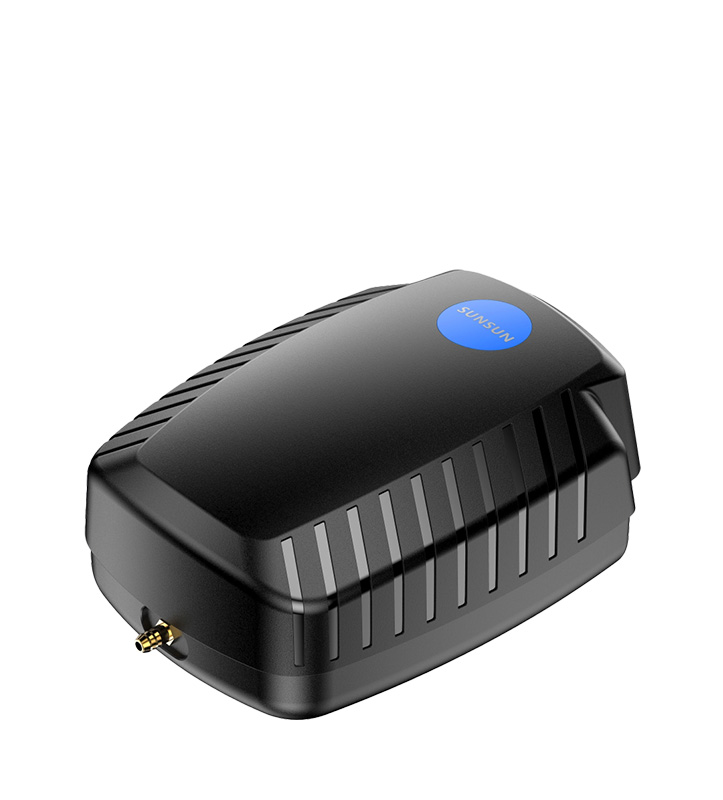 مضخة هواء بالاهتزاز المغناطيسي من سلسلة CAP بتصميم مقاوم للمطر تم تصميم مضخة الهواء هذه لتبادل الغاز بشكل موثوق، وتوفر تدفق هواء قوي لأحجار الهواء أو أقراص الفقاعات بينما تضمن قاعدتها المقاومة للماء وغير القابلة للانزلاق التشغيل المستقر، ومناسبة للبرك الداخلية أو الخارجية. عرض المنتج →
 التدفئة والإضاءة
تحتاج معظم الأسماك الاستوائية الباردة إلى درجة حرارة 74-82 درجة فهرنهايت، لذا استخدم سخانًا غاطسًا مزودًا بمنظم حرارة وتأكد من ذلك باستخدام مقياس حرارة. تعمل الإضاءة على تحفيز نمو النبات وتظهر الألوان، لكن 8-10 ساعات يوميًا كافية؛ فترات ضوئية أطول تدعو الطحالب.
الأخطاء الشائعة التي تقتل الأسماك الرائعة
معظم حالات الفشل تأتي من العملية، وليس من اختيار السمكة الخطأ. تجنب هذه الكلاسيكيات:
- الإفراط في التخزين: إضافة أسماك أكثر مما يمكن أن يدعمه الفلتر وحجم الماء. تعامل مع قاعدة البوصة الواحدة لكل جالون كنقطة بداية تقريبية، وليس كقانون.
- تخطي دورة النيتروجين: تموت الأسماك المضافة إلى الخزان الجديد بسبب الأمونيا. قم بتدوير الفلتر لمدة 4-6 أسابيع قبل أول سمكة.
- خلط الأنواع غير المتوافقة: إن إقران قراص الزعانف مع سمكة بطيئة طويلة الزعانف يضمن تمزق الزعانف والضغط.
- تجاهل تغيرات المياه الأسبوعية: استبدال 20-30% من الماء أسبوعيًا يمنع تراكم النترات؛ إنه الروتين الوحيد الأكثر قيمة.
- الشراء على الاندفاع: لا تظهر صورة السمكة الصغيرة أبدًا الحجم البالغ أو الاحتياجات الاجتماعية أو العدوان عند النضج.
الأسئلة الشائعة حول الأسماك الرائعة
إجابات سريعة على الأسئلة التي يطرحها الحراس الجدد في أغلب الأحيان.
ما هي أروع أسماك المياه العذبة للمبتدئين؟
البيتاس والعسل الجورامي يتصدران القائمة. كلاهما قويان وملونان ومثيران للاهتمام من الناحية السلوكية، وكلاهما يناسب الخزانات الأصغر حجمًا عند إعطائه سخانًا وفلترًا حقيقيًا بدلاً من الوعاء.
ما هي الأسماك الرائعة التي تتمتع بشخصية أكبر؟
تتفاعل أسماك البيتا مع حارسها، وتصطاد طيور البازلاء المنتفخة بقصد واضح، وتظهر طيور السمك الطاووس وتبيض بشكل علني. إذا كنت تريد السلوك اليومي بالإضافة إلى الجمال، فإن أيًا من الثلاثة يحقق ذلك.
هل يمكن لأسماك النانو أن تعيش في خزان سعة 10 جالون؟
نعم. دانيوس اللؤلؤة السماوية، راسبورا الفلفل الحار، الروبيان القزم، وبيتا واحدة تناسب جميعها مجموعة مزروعة بمساحة 10 جالون. قم بتخزينها في المدارس وقم بملئها قليلاً حتى يظل الحمل الحيوي منخفضًا.
هل تحتاج الأسماك الباردة دائمًا إلى مضخة هواء؟
ليس دائما. يمكن للمرشح الذي يزعج سطح الماء بشكل واضح أن يوفر كمية كافية من الأكسجين. لكن مضخة الهواء تضيف هامش أمان للمياه الدافئة، والتخزين الثقيل، وأيام الصيف الحارة؛ العديد من الهواة يديرون واحدة على مدار الساعة طوال أيام الأسبوع ولا يندمون عليها أبدًا.
الأفكار النهائية
الأسماك الباردة ليست قائمة ثابتة من الأنواع؛ إنها الأسماك التي تجعلك تتوقف وتشاهد. ابدأ بالمياه، وليس قائمة الرغبات: اختر حجمًا واقعيًا للخزان، وقم بتدويره بشكل صحيح، واختر الأنواع المتوافقة من الجدول أعلاه، وادعمها بالترشيح والتهوية والتدفئة بشكل ثابت. افعل ذلك، وحتى خزان بسيط سعة 10 جالون مملوء بلؤلؤة دانيوس السماوية سيكون أكثر روعة من تحفة فنية باهظة الثمن لا تنبض بالحياة أبدًا.

 العنوان: رقم 61-79 ، شارع Baima ، بلدة ماو ، دينغاي حي ، مدينة تشوشان بمقاطعة تشجيانغ.
 0086 0580 8082088/8081168
 0086 580 8080978
 songhua@sunsun-china.com